How Parent Training Makes ABA Therapy More Effective
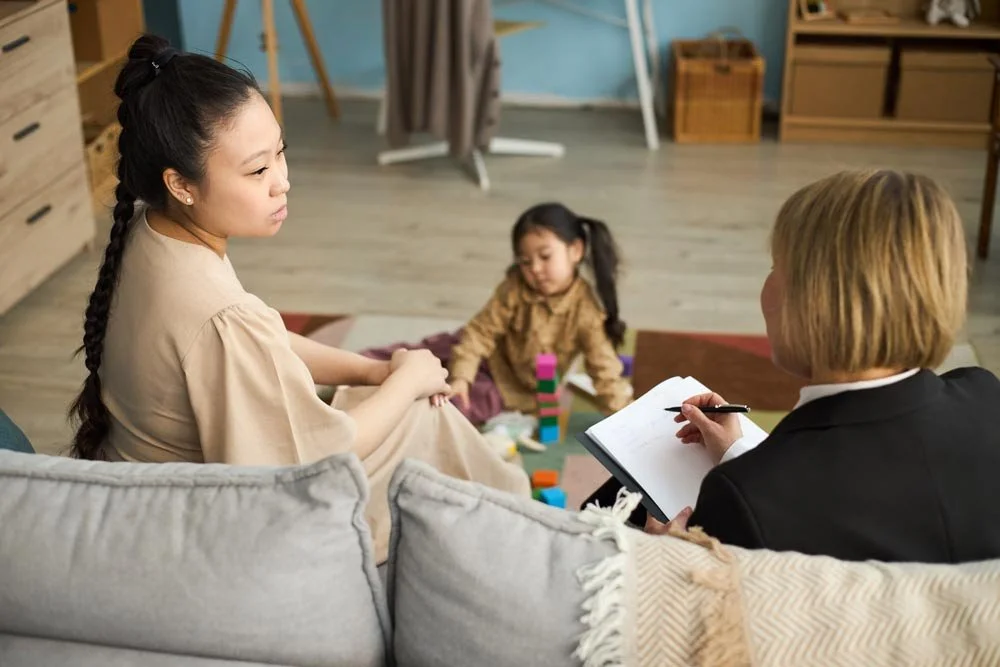
When families begin ABA therapy, much of the focus is on the child.
But one of the most powerful factors in long-term success often happens outside of therapy sessions.
Parent training.
ABA therapy is not designed to work in isolation. Children spend far more time at home, in the community, and with caregivers than they do in structured sessions. When parents feel confident using and reinforcing the strategies introduced during therapy, progress becomes more consistent, meaningful, and lasting.
What Is ABA Parent Training?
Parent training in ABA therapy involves working directly with caregivers to teach practical strategies that support their child’s development.
This may include:
Understanding why certain behaviors happen
Learning how to reinforce positive skills
Responding to challenging behaviors calmly and consistently
Supporting communication and independence at home
Practicing strategies during real-life routines
Rather than simply observing sessions, parents become active partners in the therapeutic process.
Why Parent Involvement Matters So Much
Children learn best when expectations are clear and consistent across environments.
If a child practices skills during therapy but experiences very different responses at home or school, learning can slow down. When caregivers use similar approaches and language as the therapy team, children receive clearer signals about what works, helping new skills develop more reliably.
Consistency builds clarity.Clarity builds confidence.Confidence builds progress.
Progress Happens Between Sessions
ABA therapy sessions are structured opportunities to teach and practice new skills. But growth does not stop when the therapist leaves.
With parent coaching and support, families can reinforce learning throughout daily life — during meals, playtime, transitions, and routines that naturally occur every day. Caregivers learn how to encourage communication, support coping skills, and respond to challenging moments with greater confidence.
These everyday interactions are where skills begin to feel natural and lasting.
Parent Training Reduces Stress — For Everyone
Challenging behaviors can feel overwhelming, especially when parents are unsure how to respond in the moment. Parent training helps caregivers understand what their child’s behavior may be communicating — whether it reflects frustration, a need for attention, difficulty with transitions, or challenges expressing needs.
With practical, evidence-based strategies, parents often notice fewer power struggles and more predictable routines. Communication between parent and child can improve, and many families experience a stronger sense of teamwork at home.
Trying new strategies can feel uncomfortable at first, particularly during stressful situations, and that is completely normal. With guidance and practice, caregivers typically begin to feel more confident and supported. As this confidence grows, the home environment often becomes calmer, more structured, and easier to navigate together.
What Parent Coaching Typically Looks Like
Parent training is not about criticism or telling families what they are doing wrong. It is collaborative and supportive.
Sessions may involve observing therapy sessions, reviewing progress together, learning new strategies through real-time modeling, practicing techniques side by side, problem-solving specific challenges, and setting realistic, achievable goals.
The focus is always on empowering caregivers to understand and confidently use the strategies introduced during therapy in ways that feel practical and sustainable within real family life.
Every Family’s Role Looks Different
Some families prefer detailed guidance and hands-on practice, while others learn strategies gradually as situations arise.
Parent training plans are individualized just like ABA therapy programs. Some families participate weekly, while others schedule periodic coaching sessions based on their needs and availability. The pace and level of involvement are determined collaboratively so support feels manageable and realistic.
What remains consistent is this: caregiver involvement strengthens outcomes.
Long-Term Success Depends on Generalization
One of the primary goals of ABA therapy is helping children use new skills beyond therapy sessions. In behavior analysis, this is called generalization — meaning a child can apply what they learn across different people, settings, and situations.
Parent involvement plays a key role in this process. When a child learns to request help during therapy and that same skill is encouraged at home, in the community, and with other caregivers, the skill becomes functional and lasting.
That is where meaningful independence begins.
Building a True Partnership
Effective ABA therapy is a team effort.
Board Certified Behavior Analysts (BCBAs), Registered Behavior Technicians (RBTs), and caregivers work together to create consistency, monitor progress, and adjust goals as children grow. When families feel informed and supported, they often become more confident advocates for their child’s development — both now and in the future.
Supporting Your Family Through the Process
If you are considering ABA therapy, choosing a provider who values parent collaboration alongside direct services can make a meaningful difference.
At Hidden Treasures ABA Therapy, we believe working together with parents is essential to helping children reach their potential. Our team provides individualized parent training designed to help caregivers understand and confidently apply the strategies used during therapy in everyday life.
Learn more about our Parent Training services or Contact Our Team to speak with a specialist about how we can support your family.
Frequently Asked Questions About ABA Parent Training
What is parent training in ABA therapy?
Parent training involves teaching caregivers practical strategies to support their child’s development at home and in the community. A Board Certified Behavior Analyst (BCBA) guides parents in understanding behavior, reinforcing new skills, and responding consistently so progress continues beyond therapy sessions.
Is parent training required for ABA therapy?
Parent involvement is strongly encouraged because it helps children use skills across environments. While participation looks different for every family, research shows children often make stronger and more lasting progress when caregivers are involved.
What happens during a parent training session?
Sessions may include reviewing progress, learning new strategies, observing therapist modeling, practicing techniques together, and discussing real-life situations at home or school. The process is collaborative and supportive.
Will I be expected to become my child’s therapist?
No. Parent training is not about replacing the therapy team. It provides caregivers with practical tools they can use during everyday routines so learning continues naturally throughout the day.
How does parent training improve ABA outcomes?
When caregivers understand the purpose behind behaviors and respond consistently, children receive clearer feedback about what works. This reduces confusion, strengthens learning, and helps new skills become lasting habits.